How to Create Architecture Diagrams: A Complete Guide
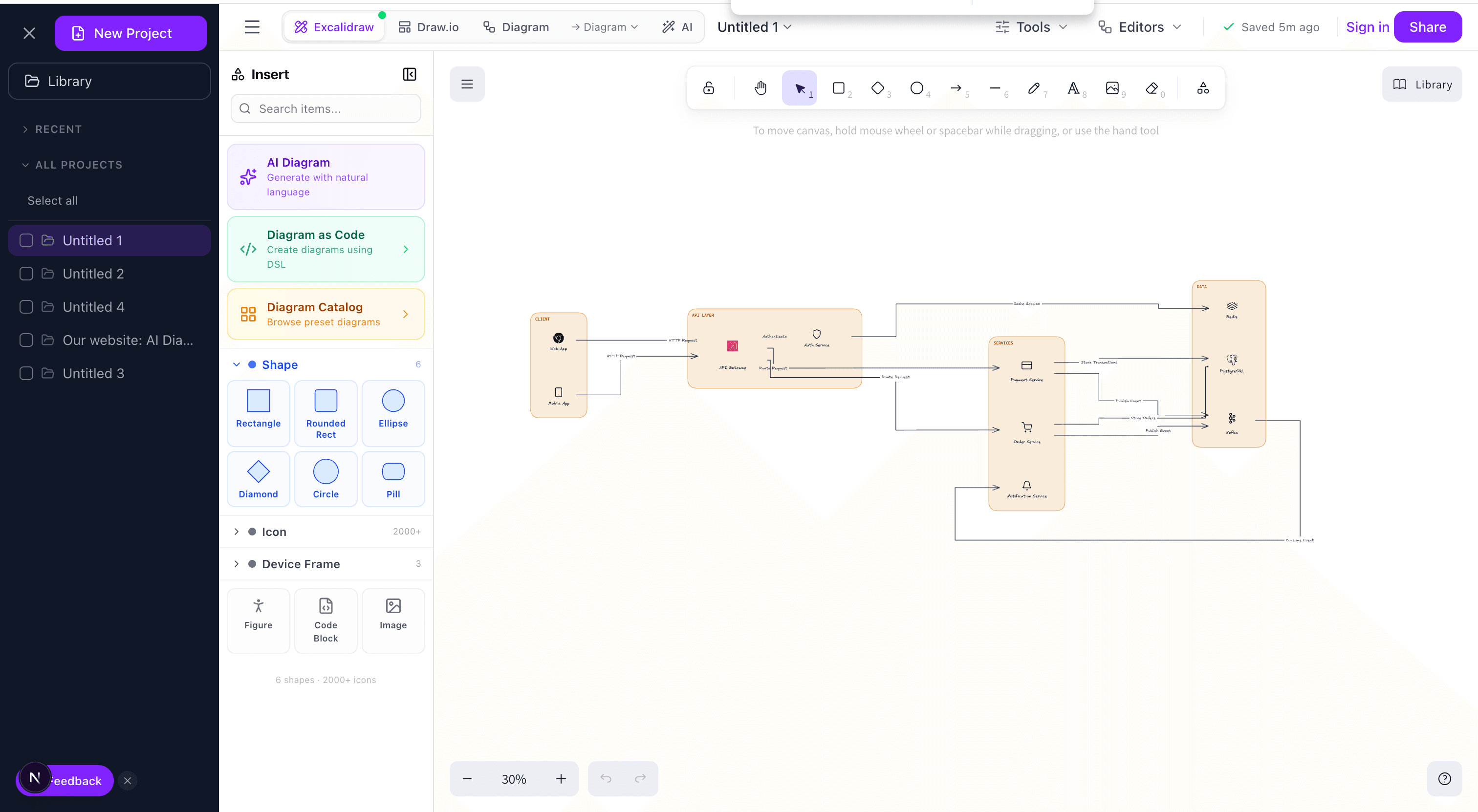
Learn the fundamentals of creating clear, effective software architecture diagrams. Covers C4 model, diagram types, best practices, and step-by-step instructions for teams of any size.

Tutorials, guides, and insights on diagramming, AI tools, and visual communication.

Learn the fundamentals of creating clear, effective software architecture diagrams. Covers C4 model, diagram types, best practices, and step-by-step instructions for teams of any size.

A decade of flowchart mistakes, distilled. Covers the six symbols that actually matter, the 15-shape rule, layout discipline, and a worked checkout-flow example rewritten from broken to clean.

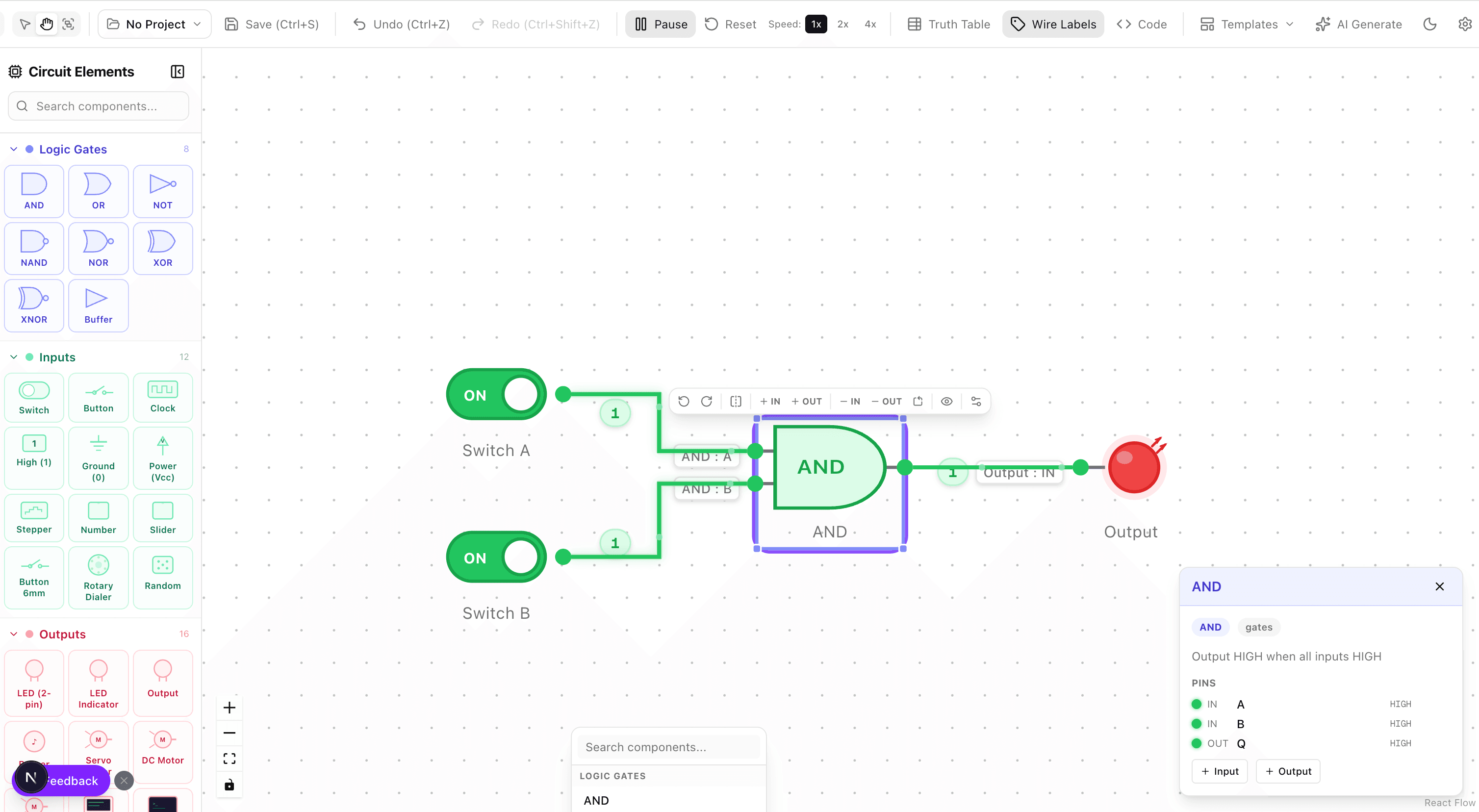
A beginner-friendly guide to digital logic circuits. Learn about AND, OR, NOT, NAND, NOR, and XOR gates, truth tables, and how to build common circuits like adders and multiplexers.

A look inside how text-to-diagram tools actually work — the LLM extraction step, the DSL layer, the ELK layout engine — plus honest limitations and the prompting patterns that produce clean output.

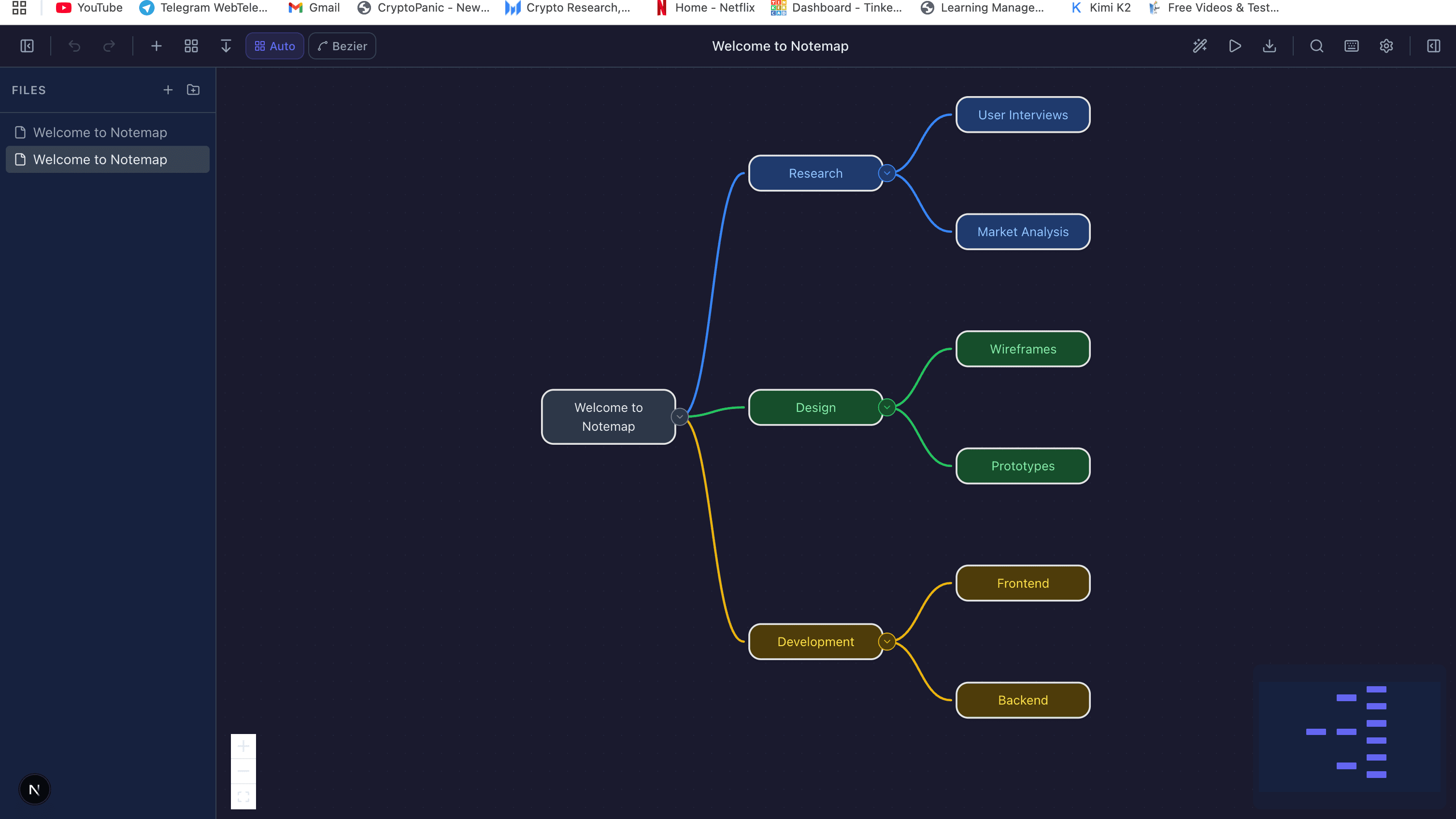
Five mind-mapping techniques I’ve actually run in real sessions — from radial dumps to concept maps — with the cognitive-science backing, a step-by-step brainstorming protocol, and the failure modes that waste an hour.

What I learned from screening several hundred resumes as a hiring manager — the 7-second scan pattern, ATS parsing gotchas, section ordering by career stage, and the layout choices that quietly kill strong candidates.

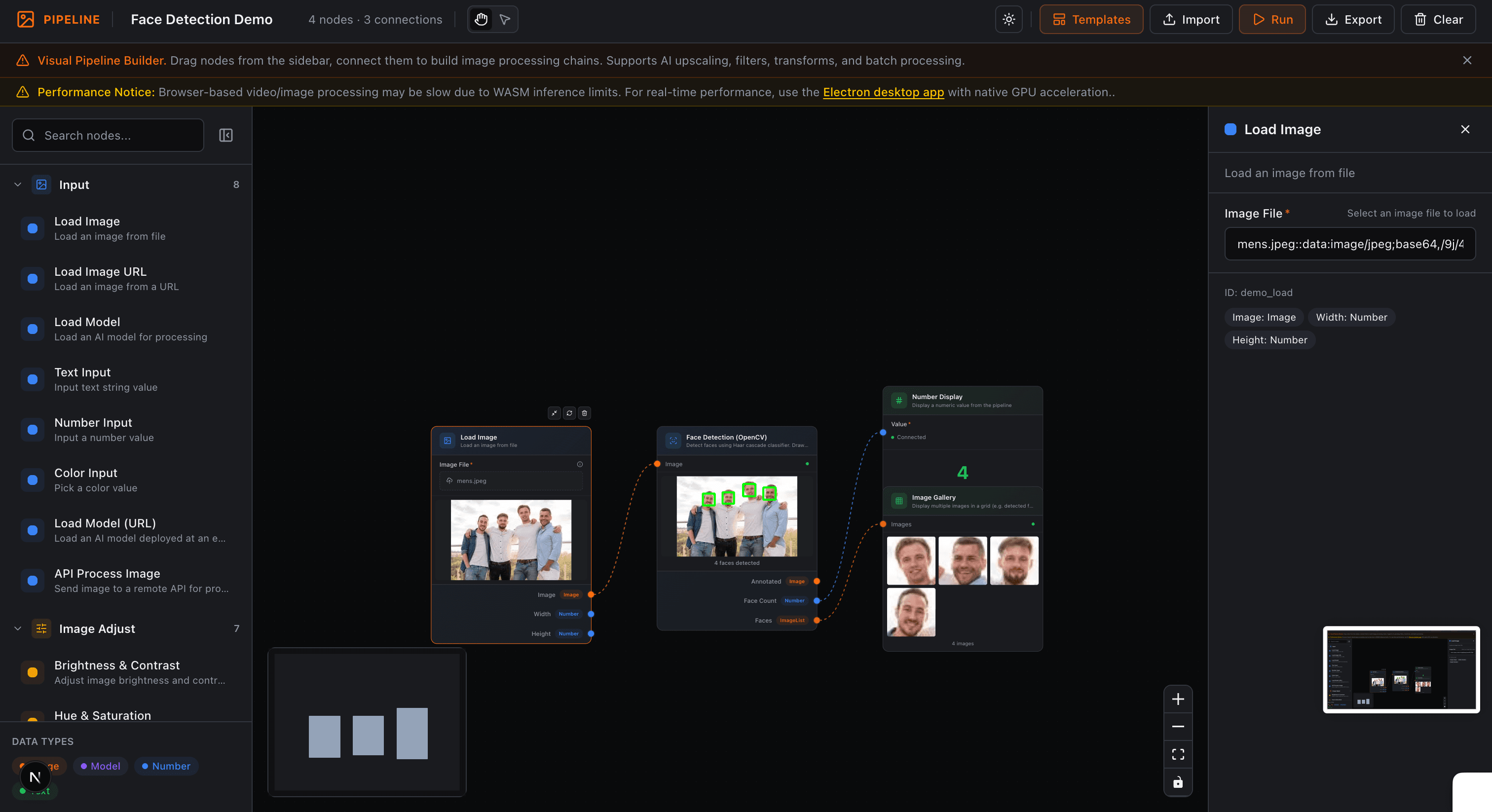
When to reach for a node-based image pipeline over Photoshop actions or a Python script — with a worked product-photo example, honest tradeoffs versus chaiNNer and ImageMagick, and what the AI upscale, background-remove, and denoise nodes are actually doing.

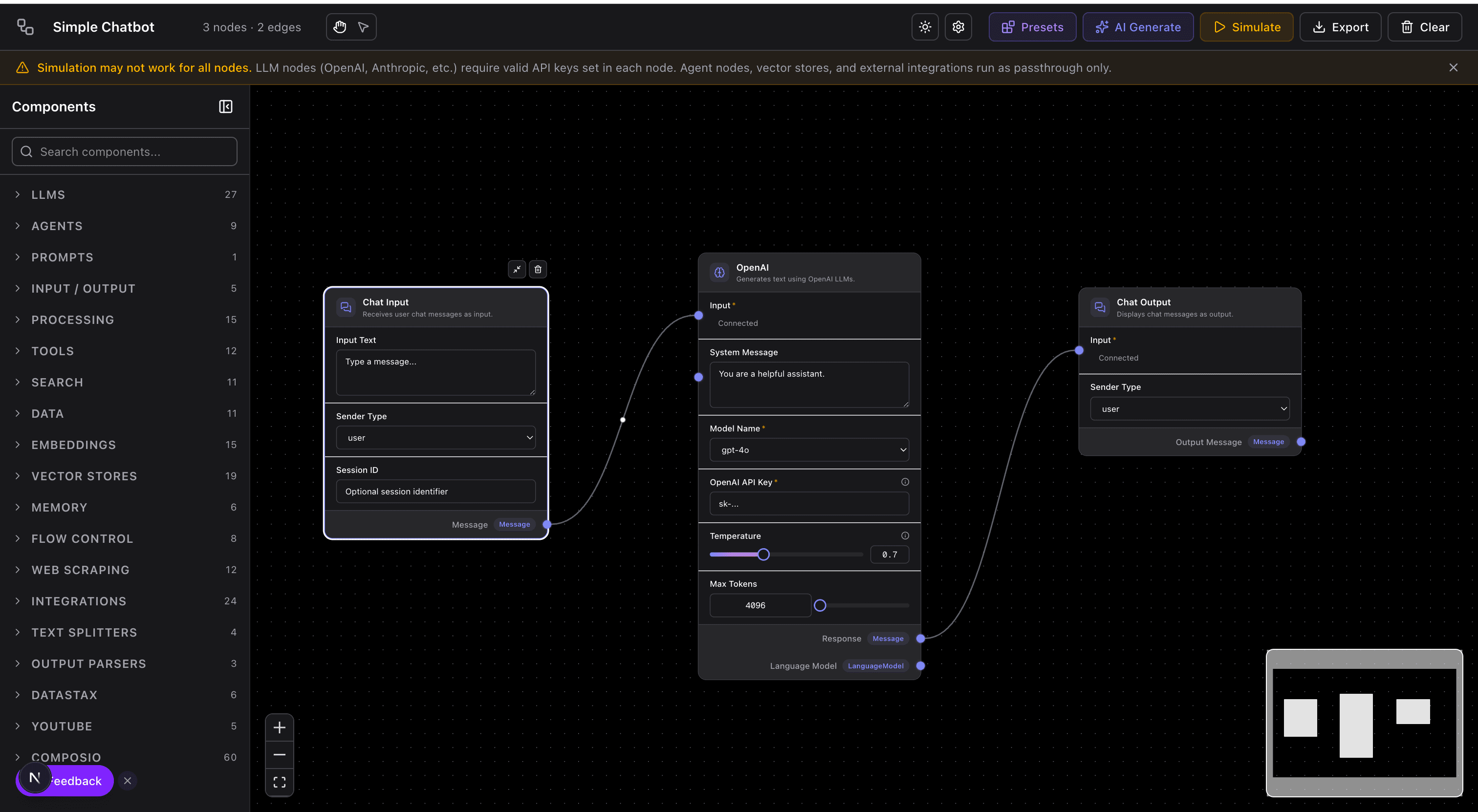
Where the standard chat-loop agent stops scaling, why graph-based agent editors are the better fit for multi-step workflows with conditionals and parallel branches, and how the AI Agent Editor compares to LangGraph, n8n, and Dify.

Why single-prompt course generation produces plausible-but-useless content, the multi-step pipeline that actually works (objectives, modules, lessons, exercises, coherence check), and what AI-generated learning still can't replace.